Services

Four ways
we dig.

Every hydro excavation job uses the same method: pressurised water to loosen, vacuum to lift. What changes is the shape of the hole and what is sitting inside it. CCTV inspection and flushing are also delivered daily.

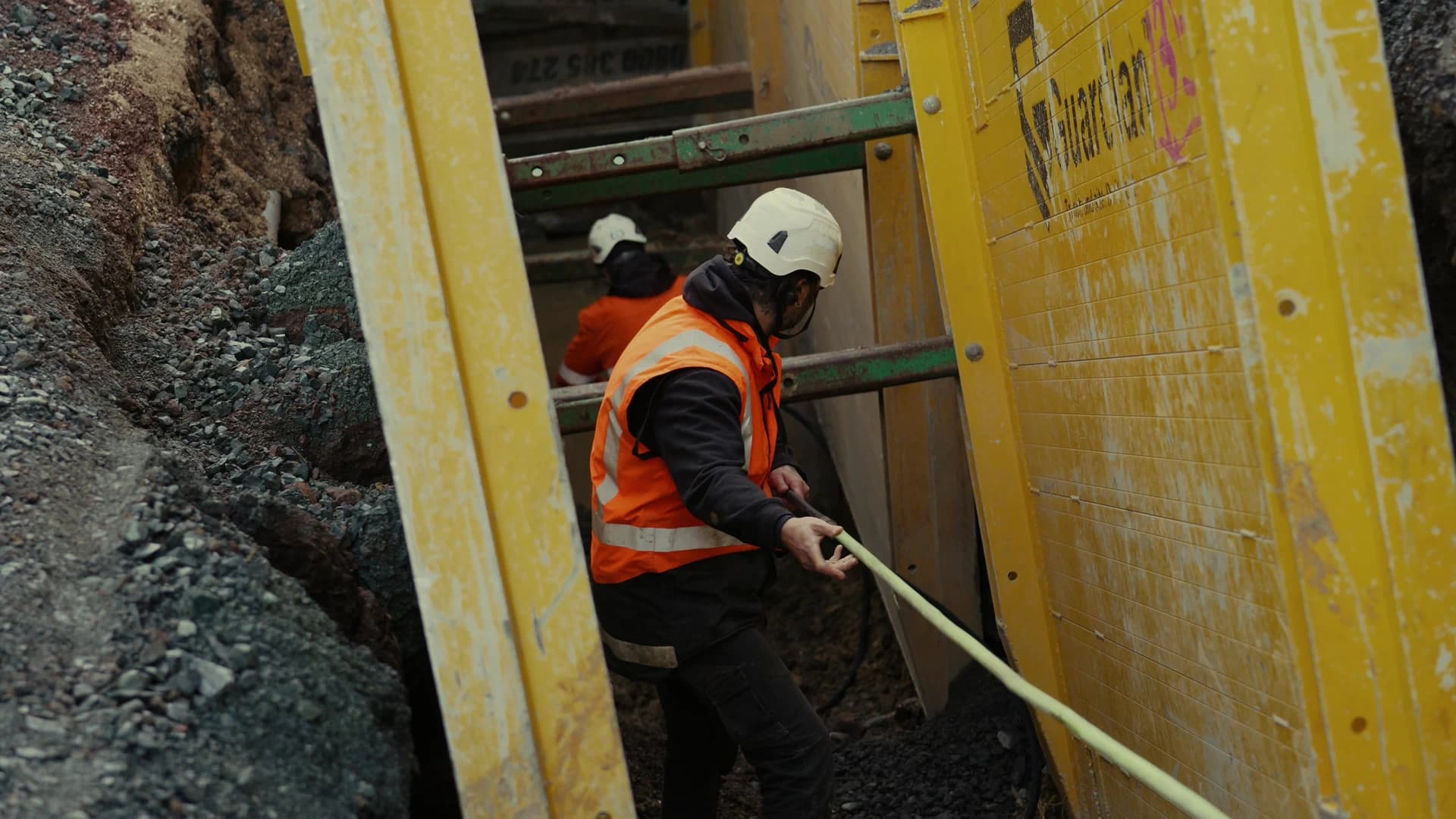
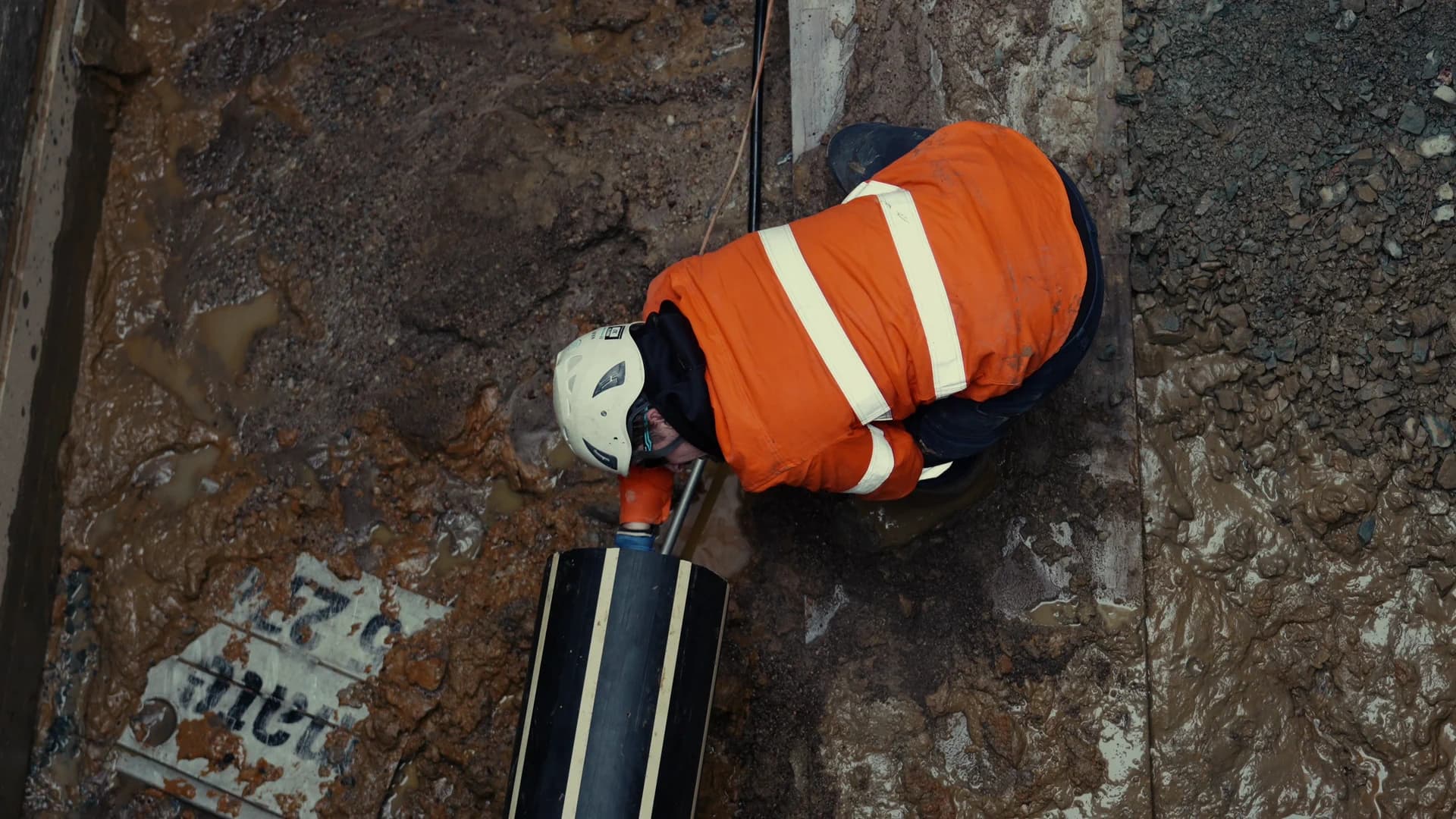
Daylighting: crew member at an exposed pipe in the dig

Daylighting

Daylighting clears the soil and material covering an existing service so it can be inspected, repaired or connected to. Because nothing mechanical touches the asset, it is the standard method for exposing live power, gas, water and fibre.

Good for
  • Live power, gas, water and fibre
  • Pothole verification before drilling
  • Exposing services for repair
Book this
Trenching: narrow trench alongside existing services

Trenching

Trenches for new pipes, cables and ducts, cut with water to the width and depth you need. Ideal in congested corridors where a bucket would be too blunt and too risky.

Good for
  • Cable and duct runs
  • Water and wastewater laterals
  • Congested service corridors
Book this

Piles and post holes

Clean, straight holes for piles, footings and posts, dug without disturbing the surrounding ground. Spoil goes straight into the tank, so the site stays tidy for the follow-on crew.

Good for
  • Foundation piles
  • Fence, sign and pole footings
  • Footings next to existing structures
Book this
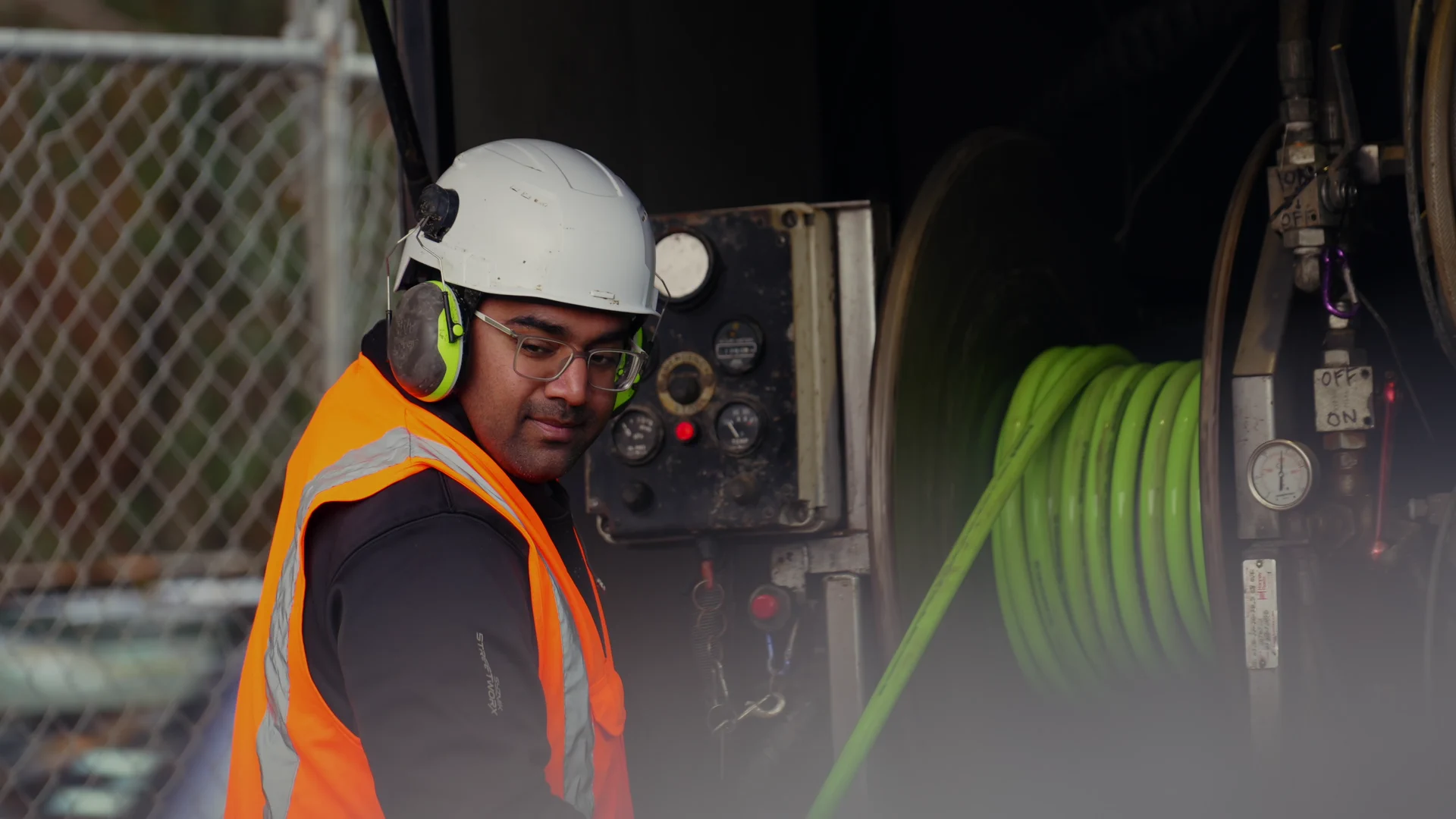
Operator at the truck's control panel beside the hose reel

Site clean-up

The same vacuum that lifts spoil out of a trench clears pits, sumps and industrial floors of soil, slurry and debris. Material is captured in the truck and disposed of off-site.

Good for
  • Pits and sumps
  • Slurry and spoil removal
  • Industrial clean-outs
Book this
Also offered daily

CCTV inspection and flushing.

Live daily services. A camera van, a large combo unit and a small flushing unit sit alongside the hydro excavation fleet.

CCTV and flushing
How it works

Three steps, every time.

  1. Locate

    Known services are marked out before any water hits the ground. We work to your locate marks and Site Safe procedures.

  2. Cut

    A pressurised water lance breaks the soil apart. Water and air do not cut pipes, cables or fibre the way a bucket or auger can.

  3. Lift

    A high-powered vacuum pulls the slurry into the truck's debris tank. It leaves site with the truck, so the ground around the service stays clean.

24/7 emergency call-outs

Need a dig done this week?